Pool Tile Cleaning Guide
Identify waterline film, scale and staining, then clean pool tiles without damaging grout, glaze or adjoining stone.
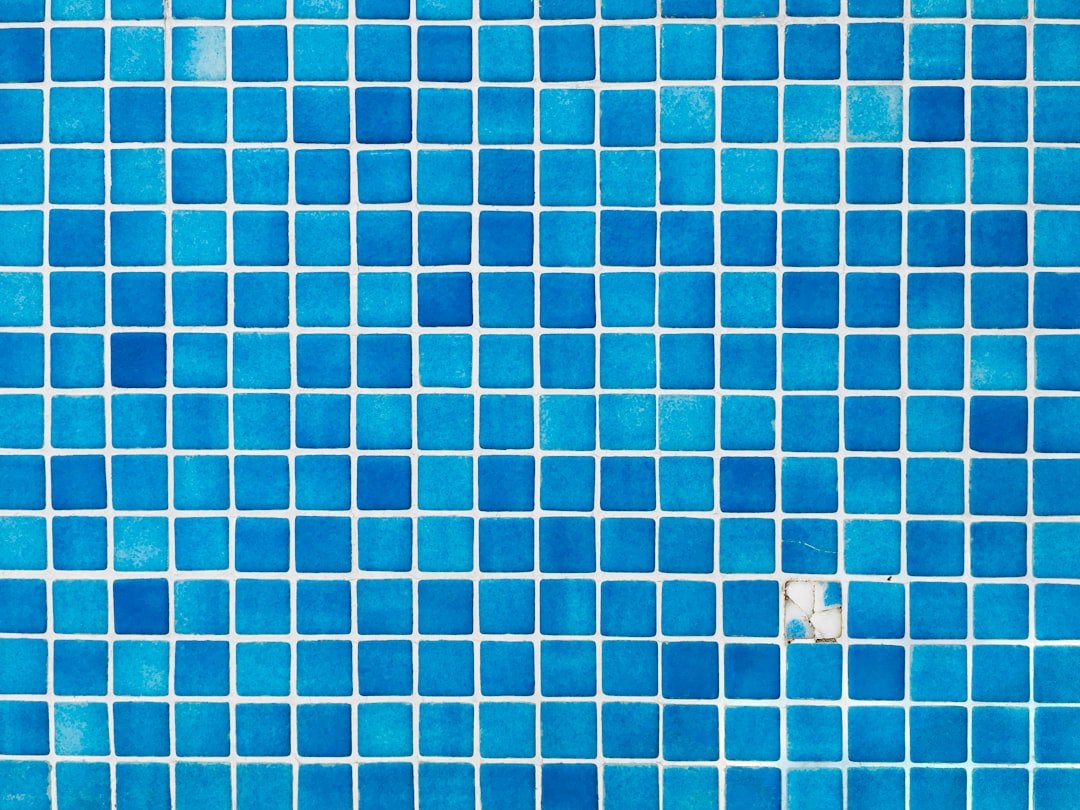
Pool tile cleaning begins with identifying what is on the surface. A greasy waterline, a hard white deposit and a rust coloured stain need different approaches. Scrubbing harder or reaching for acid before identifying the mark can damage the tile, grout or nearby stone.
Check the finish and its condition
Find out whether the tiles are glazed ceramic, porcelain, glass or natural stone. Check the supplier’s cleaning directions and inspect for loose pieces, cracks and missing grout. Keep swimmers away from sharp or unstable areas, and arrange repairs before aggressive cleaning.
Remove ordinary film gently
Use a soft, compatible pad or brush with a product approved for the finish and pool environment. Test a small inconspicuous area according to the cleaner’s instructions. Work in manageable sections and follow the required rinse and waste collection method.
Do not use household detergent in the pool or assume a kitchen scourer is safe on tile glaze. Concentrated cleaner should not be allowed to sit on metal fittings, seals or coping unless approved for those materials.
Recognise a mineral deposit
A hard white band may be scale, especially around splash and evaporation areas. Confirm the deposit and review the water balance before treatment. A cleaner that removes the band does not address why it formed. Natural stone and grout can be vulnerable to acid, so obtain material specific advice.
Know when it is a stain
If gentle cleaning leaves a flat mark unchanged, stop escalating the force. Photograph it and review recent leaves, metal objects and chemical treatments. A stain investigation may include water testing and a controlled compatibility check by a professional.
Reduce repeat buildup
- Wipe the waterline as part of routine care.
- Keep debris from resting against steps and tile edges.
- Maintain the water balance recommended for the finish.
- Check splash patterns and persistent leaks around features.
Specialist tile cleaning may be worthwhile for extensive deposits. Ask how the proposed method protects grout, adjacent surfaces and the pool water. Do not lower the pool substantially just to expose tiles before the work is assessed.
Read coping care and stain identification for the adjoining parts of the job.