Pool Pump Losing Prime? How to Find the Cause Before Restarting
Check water level, baskets, seals and startup behaviour in the right order. Learn what repeated loss of prime can tell you and when to stop.
Reviewed and updated 8 October 2026.
A pump that starts with a basket full of air, surges repeatedly or loses water every night is telling you something about the system. Refilling it may restore flow temporarily, but repeated loss of prime deserves investigation. The objective is a stable water supply through the pump, not simply getting the motor to run.
In a Sydney pool surrounded by trees, start with debris and water level before assuming a major plumbing failure. After a cleaning visit or filter service, also note which lids, hoses or valves were touched. The timing of the first failed start is often more useful than the age of the pump.
Know when to stop
Switch off a pump that is running without water, overheating, making an abnormal noise or repeatedly failing its priming cycle. Do not defeat a dry running protection feature. A burning smell, electrical fault or water around electrical equipment calls for professional attention, not another restart.
Automatic timers and remote controls can start equipment unexpectedly. Before opening a pump basket or handling serviceable parts, isolate the equipment and follow the pressure release procedure in the pump and filter manuals. If you do not know how your system is isolated, have that demonstrated first.
Check the pool end of the system
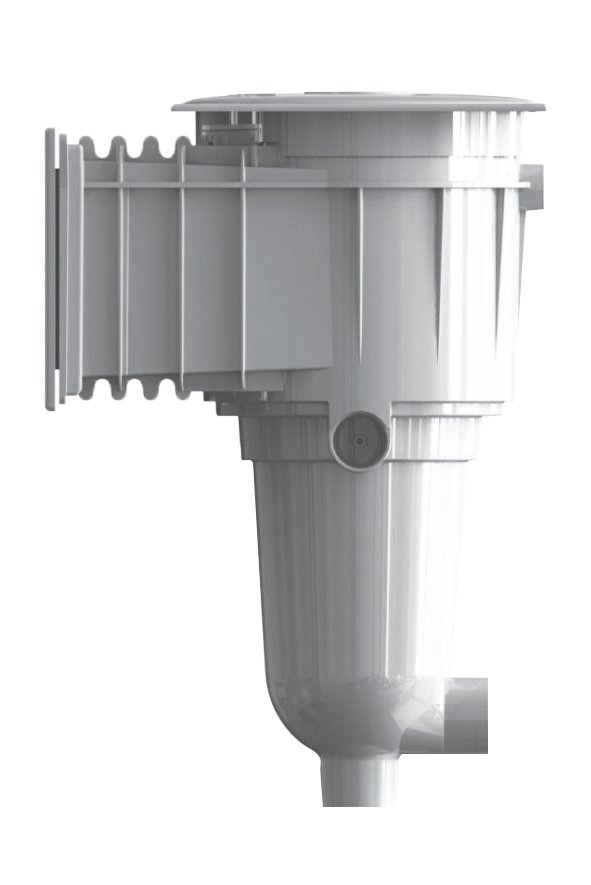
Look at the water level while the pump operates normally, if it is safe to run. It must remain within the skimmer’s intended operating range. A low level or skimmer flap that sticks can allow the pump to draw air. Check accessible baskets with the equipment safely stopped. Photograph a damaged basket before replacing it with the correct part.
If a suction cleaner is connected, record whether the problem began after connecting it or changing a hose. Do not move valves experimentally: photograph their original positions and use the documented operating arrangement. Closing all suction or return paths can create another problem.
Inspect what was last opened
A lid seal that is dirty, displaced or damaged may allow air into the suction side. Check the sealing surface and the correct seal seating with power isolated and pressure safely released. Use only a lubricant approved for that component. Forcing a lid tighter is not a repair for a cracked lid or incorrect seal.
AstralPool’s pump maintenance guidance covers priming, basket care and seals. Use the manual for your exact pump for the actual startup sequence. Valve layouts and priming settings differ, so a generic instruction to select a particular valve position is not suitable for every installation.
Prime according to the equipment instructions
Locate the pump model and its priming procedure before beginning. A typical procedure may involve filling the strainer housing, reseating the lid and restarting under specified conditions, but the required valve arrangement and air release sequence belong to the manufacturer’s instructions. Never loosen a filter clamp to release air.
Watch the startup rather than leaving immediately. Record whether the basket fills, whether return flow becomes steady, and whether an error appears. Use the manufacturer’s permitted priming time, not an arbitrary longer run. If the procedure fails after the accessible checks, stop and arrange a diagnosis.
Use the timing to narrow the enquiry
If the fault starts immediately after basket cleaning, report that connection. If the pump runs properly all day but drains back overnight, report the overnight pattern. If it only struggles when the cleaner is attached, include the cleaner and hose details. These patterns guide inspection but do not identify a failed component with certainty.
Persistent bubbles are another observation worth recording. Take a short video of the clear lid and return flow from a safe position. An air leak on the suction side may not create an obvious puddle, so a dry equipment pad does not exclude it. Internal impeller work and plumbing pressure tests belong with a technician.
Check the following scheduled start
Once normal operation is restored, note the pump speed, filter reading and visible flow. Check the next automatic start as well as the immediate restart. A system that succeeds once but fails the next morning has not been fully resolved.
Keep the lid seal part number and a photo of the normal valve positions in your maintenance record. Those two simple records can make a future service easier, particularly if several people look after the pool.
Make the service enquiry specific
Send the make and model, error code, when the problem began, whether the cleaner was connected and what you have already checked. Request an equipment assessment if the fault persists. Restoring dependable flow protects the rest of the pool routine, including filtration and chlorination.