How to Prevent Pool Scale and Recurring White Deposits
Check water balance, evaporation and affected materials before treating white deposits on tiles or equipment.
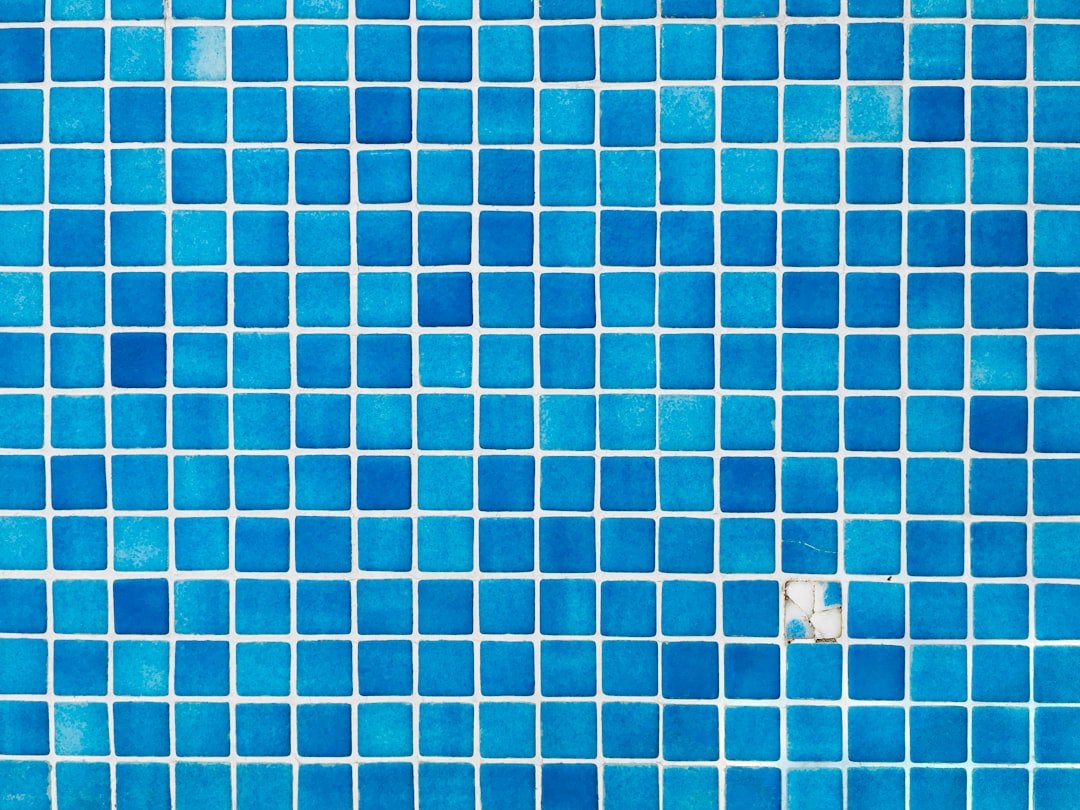
White deposits can appear on tiles, fittings, a salt cell or the waterline. They may be mineral scale, but a pale mark is not enough to identify the material or the correct cleaner.
Test the whole balance
Review pH, total alkalinity, calcium hardness and temperature together. Water that tends to deposit calcium needs a balanced correction, not just a stain remover. A pool professional can interpret the results for your finish and equipment.
Find where deposits form
Concentrated splash and evaporation can leave marks on coping or a waterfall even when the main pool looks clear. Check for leaks, overflowing features and deposits around returns. Salt cell deposits need the cell manufacturer’s inspection and cleaning procedure.
Clean without damaging the surface
Use a treatment approved for both the deposit and underlying material. Acid can harm stone, grout, metal and some finishes. Do not scrape a cell coating or use a stronger acid mixture to make cleaning faster.
Prevent recurrence
- Record water results and corrections rather than adjusting pH from memory.
- Check the source water when repeated top-ups are needed.
- Maintain dosing equipment and investigate unusually rapid pH changes.
- Inspect deposits early, before they become thick.
Use location to guide the investigation
Photograph whether deposits are concentrated on a waterfall edge, the waterline, a heater connection or the salt cell. A deposit in one splash zone can have a different immediate cause from buildup throughout the pool. Include the refill water source and any unusually frequent top ups in the history.
What to ask before a scale treatment
- Has the deposit been identified, and is the cleaner approved for the actual finish?
- Does the treatment remove the deposit, manage the water conditions, or both?
- What must happen to sanitiser and pH during and after the process?
- How will adjoining grout, stone and metal fittings be protected?
Ask for a plan to check the result after normal operation resumes. A newly clean surface is only part of success; the useful outcome is that the deposit does not quickly return. Keep photos taken from the same position and compare the water reports before and after correction.
Avoid a calendar based cell acid wash
Inspect the cell as its manual directs and clean only when the condition calls for it. Routine strong acid exposure can damage components. If deposits form unusually quickly, investigate water balance and operating conditions instead of simply cleaning more aggressively.
See calcium hardness explained. If deposits return after cleaning, share the water results and photos so the cause can be reviewed.