Dealing with High Cyanuric Acid Levels
Confirm a high stabiliser result, identify ongoing sources and plan a controlled reduction without automatically draining the pool.
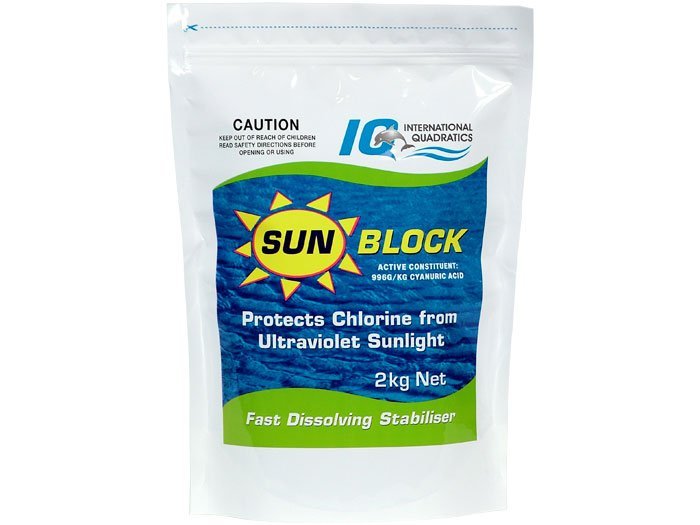
Cyanuric acid, often called stabiliser, helps protect chlorine from sunlight in outdoor pools. More is not always better. When the level exceeds the requirements of your treatment programme, review the source and obtain a correction plan rather than simply increasing chlorine by guesswork.
Confirm the measurement
Check that the test is intended for cyanuric acid and follow its lighting, timing and reading instructions. A result at the top of the scale may indicate that the actual value is beyond the test range. Obtain a suitable confirmation before calculating a large water change.
Find the ongoing source
Read the labels on tablets, granules and combination treatments. Stabilised chlorine products can add stabiliser as they are used. A pool can therefore accumulate it without anyone opening a separate bag labelled stabiliser. Make a list of the products used over recent months.
Discuss an appropriate alternative treatment programme if additions need to stop. Changing products also changes handling and dosing requirements. Never mix different chlorine products or refill a feeder with an incompatible product.
Understand a partial replacement calculation
For an ideal, well mixed water change, the new concentration depends on the proportion replaced and the concentration in the refill water. As an arithmetic example, replacing one quarter of water containing 100 ppm with water containing none would leave about 75 ppm after mixing. This describes dilution; it is not advice to remove a quarter of your pool.
The safe amount and method depend on the pool construction, groundwater, water level and discharge arrangements. Irregular mixing or simultaneous filling and draining can make the actual outcome differ from the simple calculation.
Do not fully drain as a first response
Have the pool assessed before substantial lowering. A drained shell or liner can be damaged, particularly when groundwater is high. Sydney Water’s requirements also apply to the discharge. Retest after a controlled replacement and review salt, alkalinity and the rest of the balance because they change too.
Keep it from recurring
Include stabiliser in the testing programme appropriate to your pool and record changes in sanitiser products. The next purchase should fit the current water, rather than repeat the product that created the trend.
See stabiliser explained and safe pool water lowering before arranging treatment.
Further reading: CDC, home pool and spa testing.