Tips for Energy-Efficient Pool Maintenance
Reduce pool running costs by measuring pump use, matching speed to the system and retaining heat with a practical cover routine.
Reducing pool energy use starts with understanding which equipment runs, for how long and at what power. The useful goal is lower consumption while maintaining circulation, sanitation and the swimming temperature you actually need.
Measure a baseline
Record pump schedules, speeds, heater use and your electricity tariff. Where the equipment provides a power reading, record it at each setting. A simple estimate is kilowatts multiplied by operating hours, giving kilowatt hours. Multiply that by the applicable tariff to estimate the electricity cost.
For example, a steady 0.5 kW load over six hours uses 3 kWh. This is arithmetic, not a claim that your pump consumes 0.5 kW. Real power varies with the model and operating conditions.
Match pump speed to the job
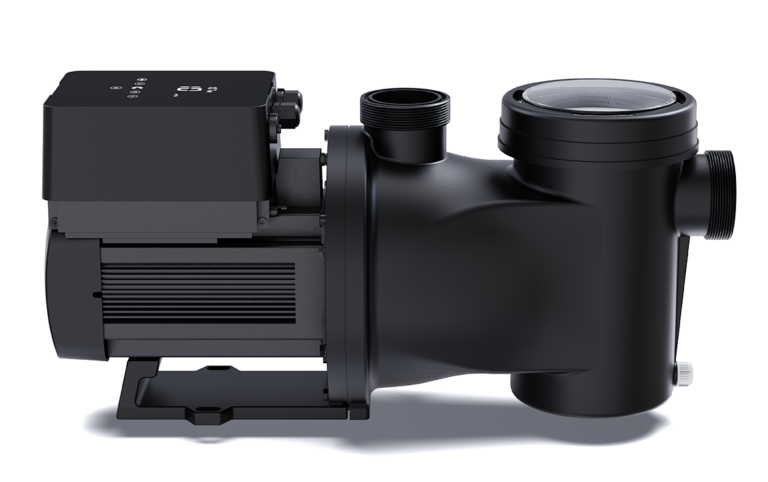
Variable speed equipment can run at a lower setting for suitable routine filtration and a higher setting when the system needs it. Confirm the flow required by heaters, chlorinators, cleaners and features. A low setting that triggers warnings or fails to skim is not an effective saving.
Remove avoidable restrictions
Keep baskets clear and maintain the filter using its instructions. Record clean pressure at the usual speed. A persistent flow problem needs diagnosis before adding pump hours or replacing the pump with a larger one.
Retain the heat you pay for
A compatible, regularly used cover reduces evaporation and helps retain heat. Choose a cover and roller that are practical for the people using the pool. Review chemical production when cover use changes, and follow the cover’s treatment and storage instructions.
Use timing sensibly
Compare off peak tariffs or available solar generation with when the pool needs skimming, treatment and heating. Electricity produced on site still has an opportunity cost if it could otherwise be exported. Check the actual plan instead of assuming all daytime operation is free.
Evaluate upgrades with the right information
- Pool volume and intended swimming months.
- Current equipment model, age and measured use.
- Plumbing and minimum flow requirements.
- Purchase, installation and expected maintenance costs.
Ask for the assumptions behind a savings estimate. Avoid a guaranteed payback based only on a product’s maximum advertised efficiency. Read heating options and cover care before deciding where an upgrade will help most.
Further reading: Australian Government, pool pumps.