Why Is My Pool Green After Sydney Rain? A Practical Recovery Guide
Separate algae from staining, check circulation and water results, and recover a pool after rain without guessing chemical doses.
Reviewed and updated 8 October 2026.
A green pool after rain needs a diagnosis before it needs another bottle of treatment. Storms can bring debris and runoff, change the water level and expose an existing circulation or sanitation problem. The timing is a clue, but rain alone does not tell you which chemical to add.
For a Sydney backyard, begin with what changed: did water flow in from the garden, did the pool overflow, did the pump lose power, or were baskets already full of leaves? Those observations help distinguish a temporary debris load from a problem that will return after the next storm.
First check whether the pool is safe to approach
Keep swimmers out while the water is green or cloudy and until treatment and testing confirm it is suitable for swimming. If you cannot clearly see the floor, visibility itself is a problem. Keep the barrier secure. Do not enter water to retrieve debris or equipment when visibility is poor.
If flooding reached electrical equipment, leave it off and arrange an appropriate inspection. Do not stand in water to reset a controller or repeatedly restart a tripping circuit. Suspected sewage or floodwater contamination also needs professional assessment; ordinary algae treatment is not an adequate substitute.
Green and cloudy is different from green and clear
Slippery surfaces, poor clarity and green material that brushes away suggest biological growth, but appearance is not a definitive test. Clear water with a green tint, especially following chemical treatment, can have a different cause such as dissolved metals. Adding more oxidiser without identifying the cause can complicate staining.
Photograph the water and a shaded step before treatment. Note whether the colour is in the water, attached to the finish or confined to particular patches. A technician can use this information alongside water tests; a photograph alone cannot identify every contaminant.
Restore basic flow before expecting treatment to work
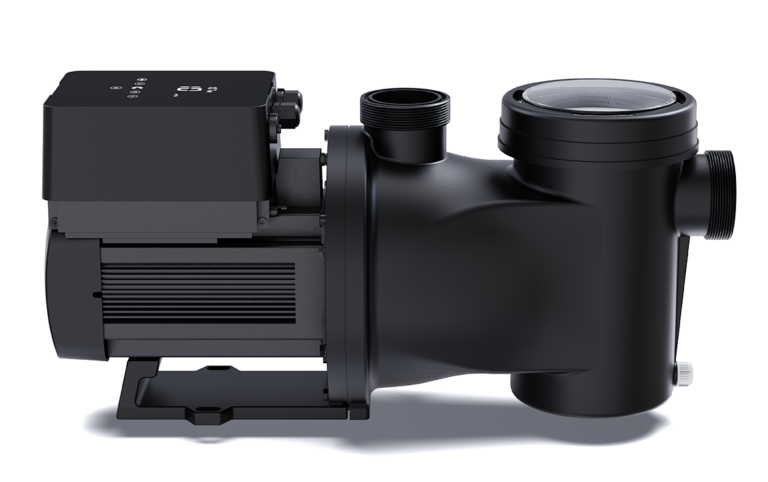
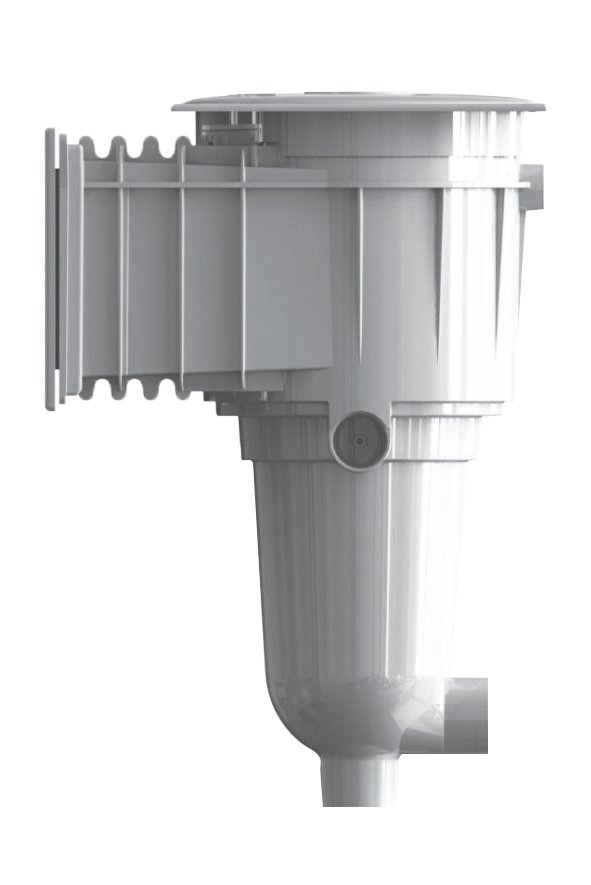
Once conditions are safe, remove floating leaves with a net. Check the water level against the skimmer’s operating range. With the system safely stopped as its manual directs, clear accessible baskets and check that they are intact. Restore operation and look for normal return flow and any persistent air in the pump basket.
Read the filter gauge against your recorded clean baseline at the same pump speed. A dirty filter, blocked basket or pump that will not prime can undermine a recovery plan. Do not open a pressurised filter. Cartridge filters are removed and cleaned according to their manual; backwashing is for filters designed for it. The two processes are not interchangeable.
Measure before selecting treatment
Obtain reliable chlorine and pH results, and review total alkalinity and stabiliser where relevant to the sanitiser being used. In a salt pool, verify salt independently if there has been significant water replacement or a chlorinator warning. Check test kit limits: an out of range result needs an appropriate test, not a guessed interpretation.
NSW Health explains the importance of disinfection and filtration in its healthy swimming pool guidance. For a domestic pool, use the treatment product and equipment instructions to determine the actual adjustment. Do not copy public pool operating rules into a household dosing plan.
Treat the identified problem, then remove the residue
If algae treatment is appropriate, calculate it from the measured results, pool volume and exact product label. Different chlorine products have different strengths and other ingredients. “Add a generous amount” is not a usable instruction. Keep chemicals separate and follow the required application, circulation and return to swimming conditions.
Brush using a tool compatible with the pool finish, including steps, corners and areas the cleaner misses. Remove loosened debris using a method suitable for your equipment. Monitor flow and filter loading through the recovery process, cleaning when the manufacturer’s criteria require it. A robot helps collect debris but does not replace sanitiser or water testing.
Do not add algaecide, clarifier and flocculant together on the assumption that more products will clear the pool faster. Some treatments need a particular filter or a vacuum to waste arrangement. Establish compatibility and a removal plan before using them.
Watch for progress, not a fixed deadline
Keep a record of test results, filter pressure and visible clarity. If treatment is working, the results and appearance should move in the expected direction. If the water stays green, chlorine cannot be maintained, or flow remains weak, stop repeating the same dose and have the cause reassessed.
There is no reliable promise that every storm affected pool will be ready tomorrow. Swimming should resume only when water visibility, tested chemistry and the product’s reentry conditions are all satisfactory.
Reduce the chance of a repeat
After recovery, look at how garden runoff reached the water and seek drainage advice where necessary. Clear baskets during windy periods, review chlorinator operation and keep a record after heavy use or rain. If you need to lower the level, follow our pool draining guide and Sydney Water’s discharge requirements rather than sending pool water into stormwater.
If the cause is unclear, request a post rain pool assessment with photos, recent test results and details of any power interruption. Those details make the next step more targeted.