How to Vacuum a Pool
Choose between manual vacuuming, a rechargeable vacuum and a robot, with practical preparation and safe flow checks.
The best vacuuming method depends on the debris and the equipment. A manual head can provide controlled cleaning, a rechargeable vacuum is useful for small areas, and a robot handles routine floor cleaning. None removes the need to identify algae, contamination or a filtration fault.
Remove the large material first
Use a leaf rake for piles of leaves, sticks and awkward objects. Vacuuming large debris can block a hose or intake and break it into harder to collect fragments. Brush accessible areas only with a tool suitable for the finish.
Prepare a manual vacuum
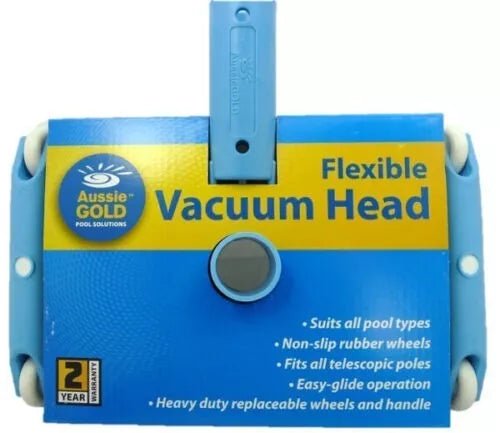
Check the head, pole and hose for damage. Confirm the head suits the surface and the hose reaches without excessive strain. Follow the pool system’s instructions to fill the hose with water and connect the correct vacuum plate or dedicated point. Keep hands away from operating suction openings and never remove safety fittings to improvise a connection.
Identify the required valve arrangement before starting. If a multiport valve needs moving, stop the pump first. Do not guess which valve sends water to waste.
Work slowly and watch the system
Use overlapping passes with the head close to the floor. Fast movement lifts fine material into suspension. Watch the water level, return flow and filter pressure, and stop if the pump draws air or loses prime.
When collecting through the filter, inspect and clean it according to its instructions as loading increases. When vacuuming to waste is appropriate, confirm a lawful discharge route and monitor water loss throughout. A cartridge installation may not have a suitable waste arrangement.
Using a robot or rechargeable vacuum
Select the filter suited to the particle size and empty it before flow falls. Retrieve and charge cordless equipment exactly as the manual directs. Do not use a robot to stir through settled flocculant or an unidentified contamination event without a suitable recovery plan.
If dust returns immediately
- Check that the filter is correctly seated and undamaged.
- Check whether the mesh is fine enough for the material.
- Reduce head movement that stirs sediment.
- Investigate repeated material coming from return outlets.
After cleaning, restore the normal operating arrangement and verify flow. Read steps and corners for areas the main cleaner misses, or compare robot options if manual cleaning is becoming a regular burden.