Oily Film on Your Pool? Find the Source Before Treating
Deal with sunscreen and body oil residue while recognising contamination that needs a different response.
A thin oily film can collect after swimming, particularly near a skimmer or along the waterline. Sunscreen and body oils are common contributors, but an unusual smell or sudden large slick needs investigation.
Rule out unexpected contamination
If fuel, pesticide or an unknown substance may have entered the pool, stop swimming and obtain appropriate specialist advice. Do not mask it with perfume, detergent or an enzyme treatment.
Clean ordinary swimmer residue
- Remove floating debris and check that the skimmer is drawing water properly.
- Clean the waterline using a product approved for the finish.
- Inspect the filter and clean it using its specified process if oil is accumulating.
- Test the water and maintain suitable sanitiser and pH.
Use accessories selectively
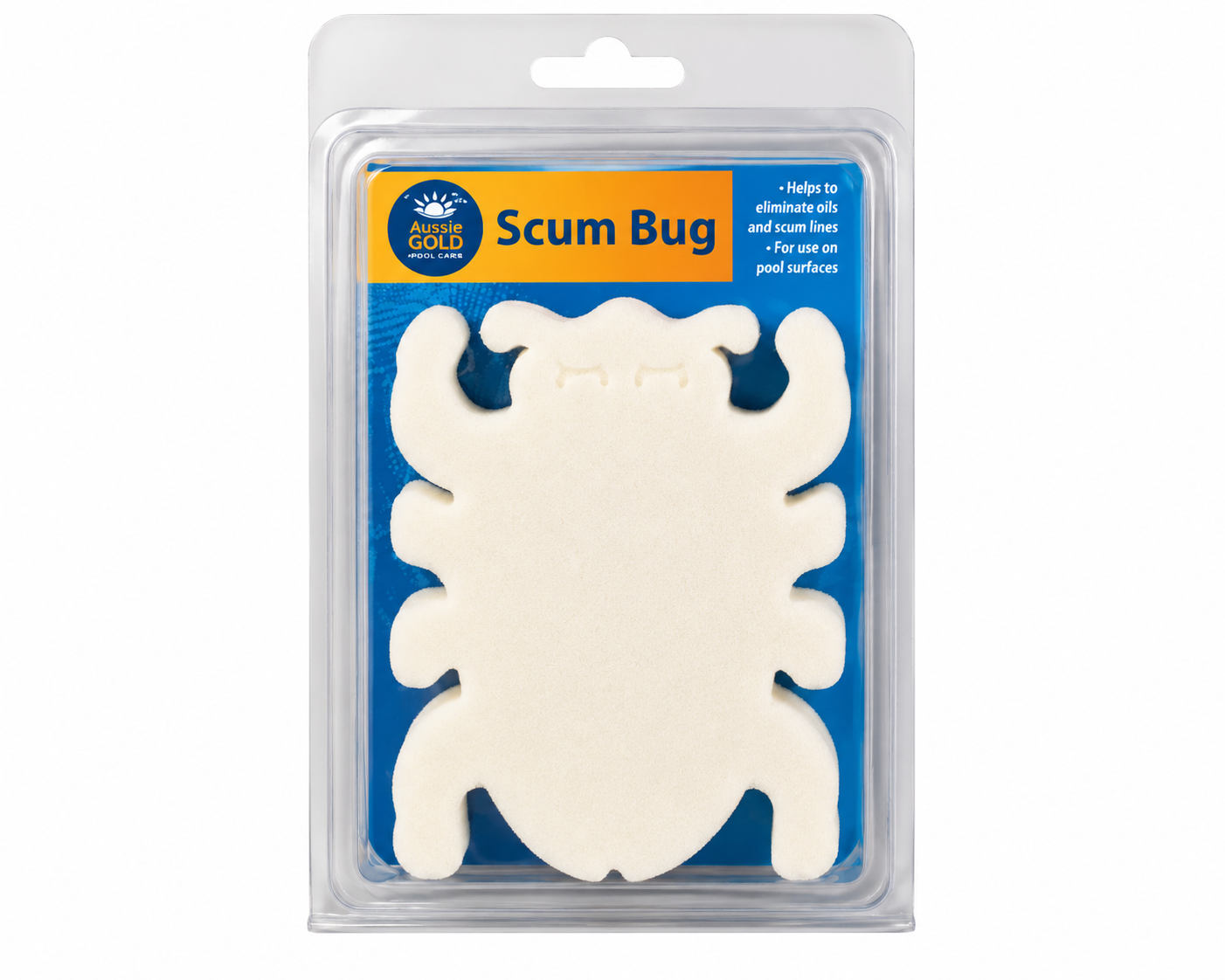
A pool-approved oil-absorbing accessory can help with small amounts of surface residue. Follow its instructions for placement and replacement, and ensure it cannot obstruct flow. An enzyme treatment may help with suitable organic residues, but it does not sanitise the pool.
Reduce the load
Showering before swimming helps. Continue using appropriate sun protection, allowing products to settle as directed before entering the pool. A regularly cleaned waterline is easier to maintain than an established greasy band.
Check where the film collects
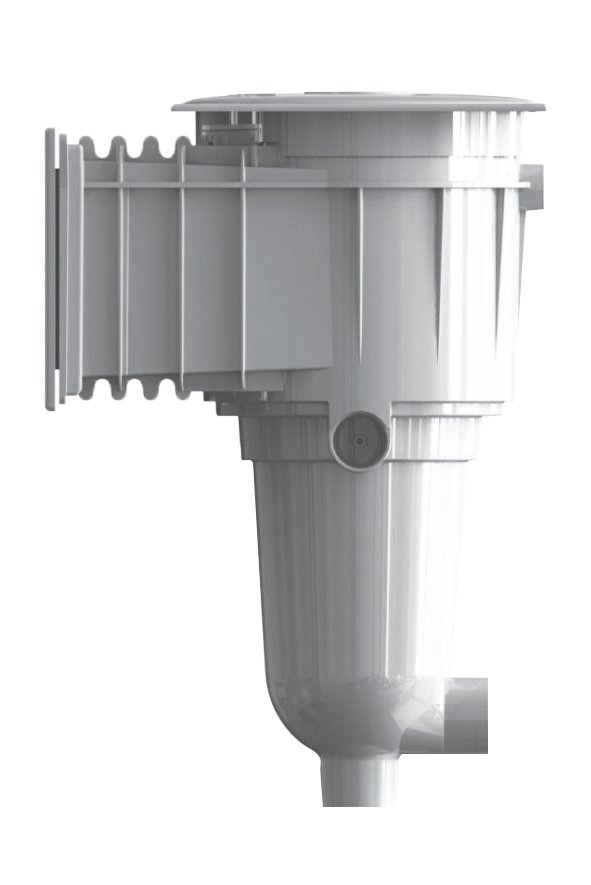
Note whether the residue forms near a skimmer, beside a return or across the whole surface. Inspect the skimmer weir and normal operating water level. A surface collection problem can leave residue circulating around the pool even when the main floor looks clean.
Use physical cleaning as the baseline
Record how often the waterline needs wiping and whether the filter contains an oily coating. Clean with products compatible with the finish and filter. An absorbent accessory may help collect small amounts of ordinary residue, but it should not obstruct the basket or substitute for identifying an unusual slick.
Change one part of the routine at a time
If you trial an enzyme product, follow its directions and compare the result over similar swimming conditions. Introducing several new products together makes it harder to work out what helped. Keep the product names and dates in case foam or another unexpected symptom appears.
For a persistent problem, send photos, the recent swimming pattern and a list of products already used. Include any nearby painting, gardening or equipment work that might explain a new contaminant. An unknown chemical film needs assessment before the pool is used again.
Read what pool enzymes do, or ask us to assess persistent surface film with photos and recent water results.