Frogs and Animals in the Pool, Safe Removal and Prevention
Help animals leave safely, protect swimmers and reduce repeat visits without adding repellents to the water.
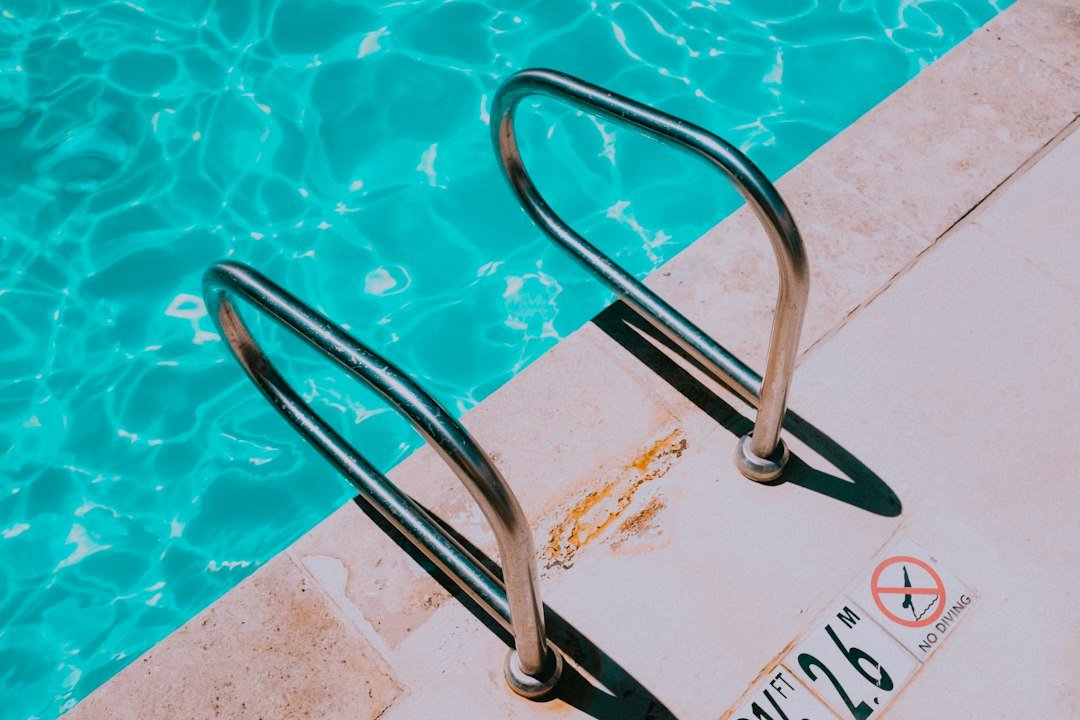
Animals can fall into a pool and struggle to escape its smooth sides. Deal with the immediate situation calmly, then consider access and water quality before reopening the pool.
Help without putting yourself at risk
Keep children and pets away. For a small uninjured animal, a safe exit route may allow it to leave without handling. Do not enter the water to retrieve an unfamiliar or distressed animal. Snakes, injured wildlife and animals you cannot safely identify need an appropriate wildlife rescue service.
Assess contamination
If an animal has died or there is visible faecal contamination, keep swimmers out and obtain incident-specific water treatment advice. Remove material only using an appropriate safe method. A routine extra dose of chlorine is not a universal response to every contamination event.
Reduce repeat incidents
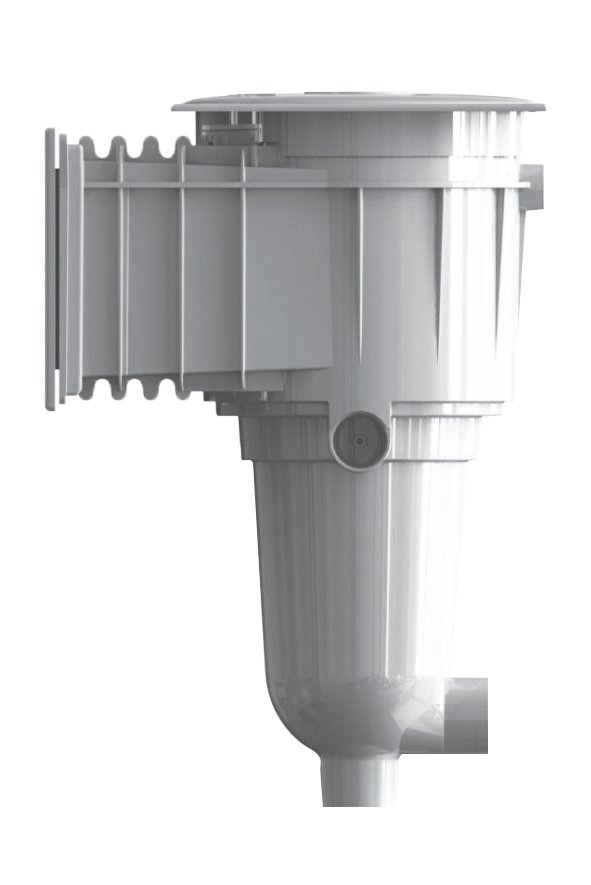
Check whether vegetation, gaps or nearby objects make accidental access easier. Consider an animal escape device suited to the pool, positioned without compromising the child safety barrier. Keep the skimmer basket clear and inspect the pool before swimming.
Avoid improvised repellents
Do not add household chemicals, pesticides or repellents to the water. Do not move wildlife to an unsuitable environment. A local wildlife service can advise on repeated visits and safe handling.
Make a safe observation first
From outside the water, note the animal’s approximate size, location and whether it appears injured or trapped. A photo can help a wildlife rescue service identify it, but do not approach simply to get a clearer image. Keep dogs and curious children away while help is arranged.
Separate rescue from pool recovery
Once the animal is out, record whether there was visible contamination, how long it may have been present and any advice already given. The water treatment decision depends on the incident. Do not assume that removing an animal automatically makes the pool ready for swimming.
Review the access route
Look at nearby vegetation, overhanging branches and the pool edge without weakening the child safety barrier. An escape aid should be suitable for the animal and installation. Check that it does not interfere with a cover, cleaner or access gate.
For repeated incidents, ask a local wildlife service about prevention suitable for the species. Household repellents and pesticides are not pool treatments. Keep a routine pre swim inspection even after an escape device is installed.
Maintain normal water testing and barriers after the incident. Read family pool safety, or contact us about the pool’s recovery once any animal rescue is complete.