Best Practices for Pool Shock Treatment
Plan pool shock treatment from the water results and product label, with safe handling, equipment care and reliable reopening checks.
Shock treatment is a corrective step, not a reason to add an arbitrary large dose of chlorine. Different products contain different active ingredients and strengths. The correct choice depends on the problem, pool volume, water balance and treatment instructions.
Define the reason for treatment
Record whether you are dealing with algae, unusual chlorine demand, combined chlorine or a specific contamination event. Faecal incidents, floodwater and unknown chemicals need their own response. A normal retail shock dose is not a universal solution.
Prepare the pool and information
- Obtain reliable sanitiser, pH and relevant wider water results.
- Confirm the actual water volume.
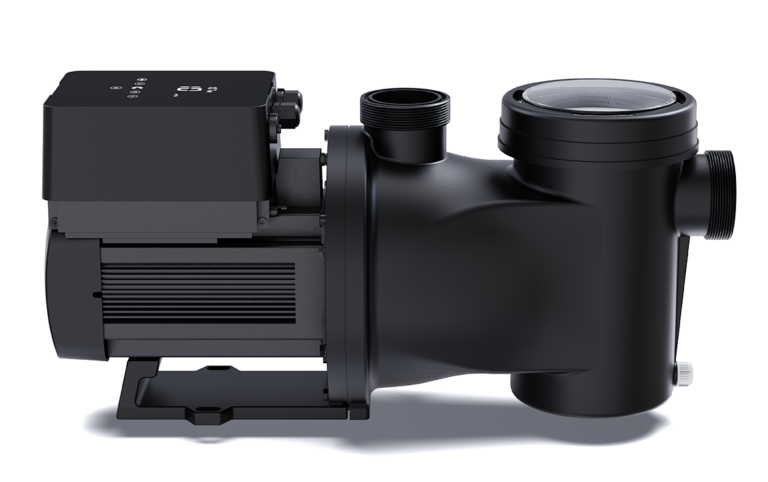
- Remove large debris and check circulation and filtration.
- Read the product’s handling, application and swimming instructions.
- Check the care limits for the cover, robot and other equipment.
Handle the product safely
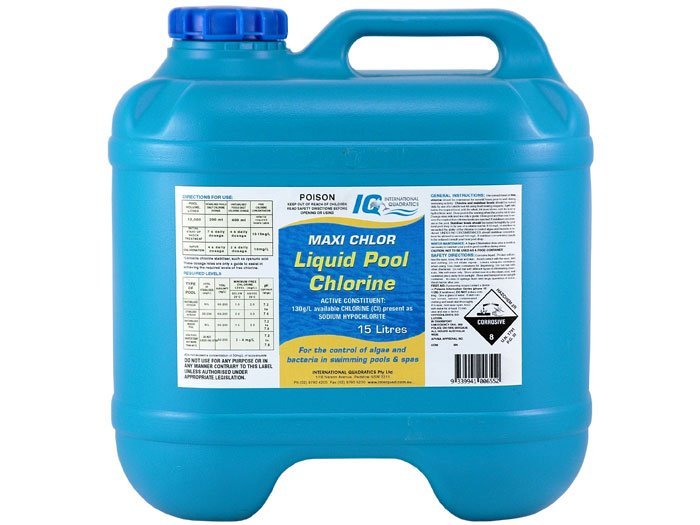
Use the specified protective equipment and keep people away during application. Never mix chlorine with acid, another chlorine type or other pool chemicals. Use clean, dedicated measuring equipment and keep products in their original labelled containers.
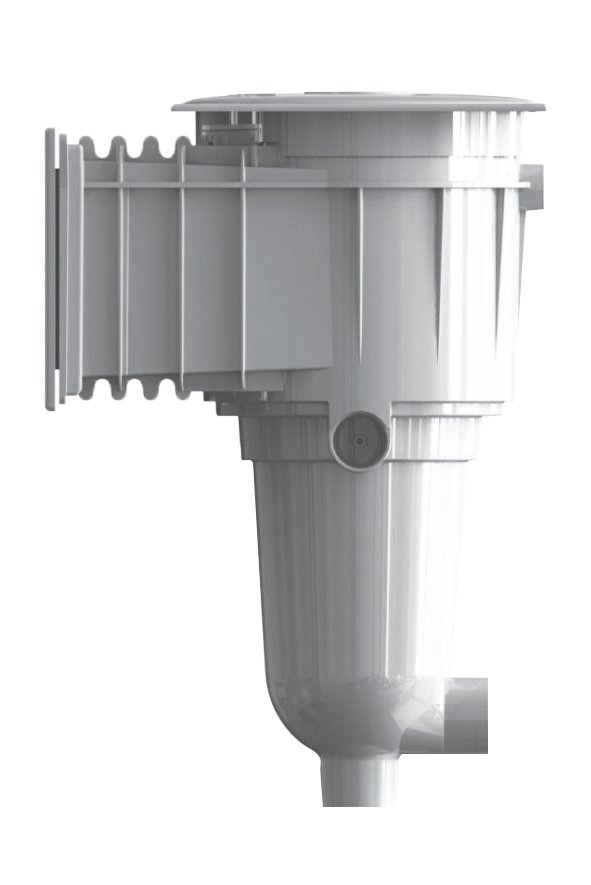
Follow the exact application method. Do not assume every product should be dissolved, broadcast or fed through the skimmer in the same way. If the label requires dilution, follow its sequence and instructions precisely.
Keep the treatment working
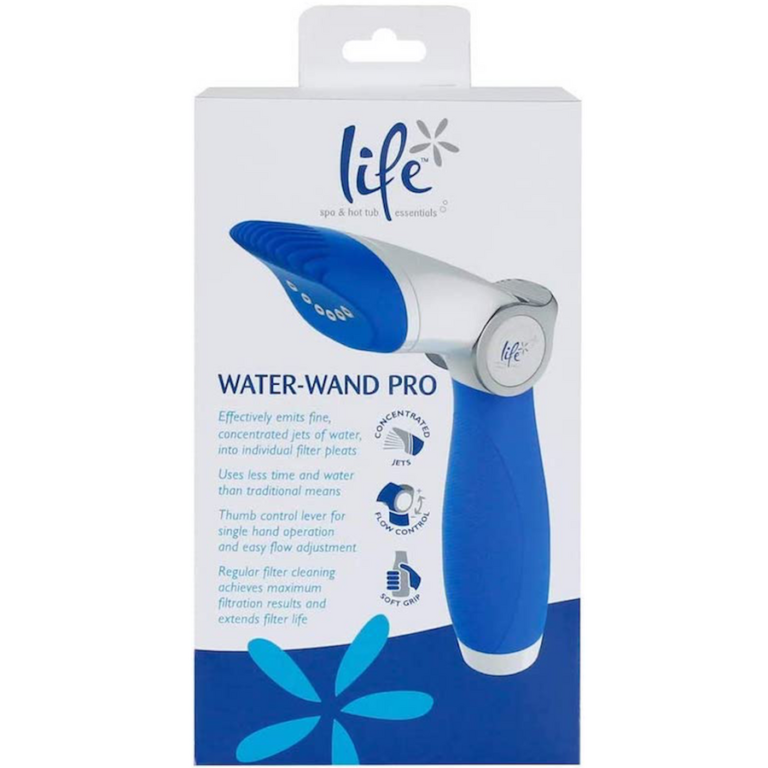
Maintain the circulation required by the programme and watch filter loading. Brush compatible surfaces where required and remove residue using an appropriate method. Keep a record of the dose and response so the next adjustment is informed.
Remove or protect equipment according to its own instructions. A treatment that is suitable for the water may still exceed the permitted exposure for a cover or robot.
Confirm the pool is ready again
Meet the label’s minimum conditions and obtain fresh tests showing suitable sanitiser and pH. The floor must be clearly visible and no undissolved treatment should remain on surfaces. A fixed number of hours is not enough if the measured conditions remain unsuitable.
If the kit is out of range, get an appropriate confirmation rather than interpreting an unusual colour as zero. See when swimming can resume and chlorine demand before repeating treatment.
Further reading: Fire and Rescue NSW, pool chemical safety.