Stinging Eyes After Swimming? Check More Than Chlorine
Eye irritation can have several causes. Check water balance and combined chlorine, and stop swimming when symptoms occur.
Stinging eyes do not prove that a pool has too much chlorine. Water imbalance and chloramines can also contribute, and a pool’s smell is not a reliable measure of its sanitiser level.
Stop swimming when irritation occurs
Leave the water and avoid further exposure while the cause is checked. Follow appropriate medical advice for persistent symptoms, pain or changes in vision. Breathing difficulty needs urgent attention.
Check water rather than guessing
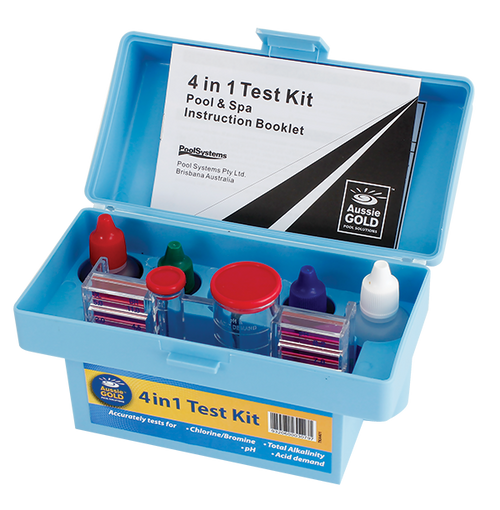
Measure free chlorine, total chlorine and pH with an appropriate test. Check the result against the treatment and pool system guidance. Very high chemical levels can interfere with some tests, so obtain a reliable retest if the result is unexpected.
Reduce contamination
Chlorine can react with sweat, dirt and urine to form irritating chloramines. Showering before swimming and taking toilet breaks help reduce the substances entering the water. Indoor pools also need suitable air handling; adding fragrance or another chemical does not fix poor ventilation.
Reopen after the cause is addressed
Confirm that the water is clear, the chemistry is suitable and any treatment re-entry requirements have been met. Goggles can improve comfort, but they are not a reason to keep swimming in unsuitable water.
What to record when symptoms occur
Note whether several swimmers were affected, whether the problem happens only in one pool and whether symptoms started after a recent treatment. Record current free chlorine, total chlorine and pH rather than relying on yesterday’s test. This information helps separate a water-management issue from a symptom that needs individual medical assessment.
Do not diagnose by smell or redness
Neither a strong odour nor red eyes identifies a precise chemical level. Adding chlorine, acid or a “comfort” product on that basis can move the water further from suitable conditions. Test first and avoid asking swimmers to trial the water to see whether a correction worked.
Check the test method too
Look at reagent dates, sampling technique and the kit’s measuring range. If results conflict, obtain a reliable confirmation before making a large adjustment. A digital display is not automatically more trustworthy if its sensor has not been maintained.
Busy swimming days need a different check frequency
More swimmers introduce more material into the water. Test around the actual use pattern and keep filtration working as required. A pool that was suitable before a party may need attention afterwards, even if it still looks clear.
Improving comfort without hiding a fault
Well-fitting swimming goggles can reduce direct exposure, and showering before swimming reduces contamination. These are useful habits, but they do not replace correcting unsuitable water. If symptoms persist despite verified water conditions, seek medical advice rather than continuing to change the pool chemistry.
For a pool-care assessment, send the test results, recent treatment history and whether the pool is indoors, covered or heavily used. Keep personal medical decisions with an appropriate clinician.
See the CDC’s explanation of pool eye irritation and our guide to strong pool odours. Share water results if the problem returns.