How Pool UV Treatment Works, and Its Limits
Understand why UV treats passing water and how flow, lamp condition and a suitable sanitiser residual affect the overall system.
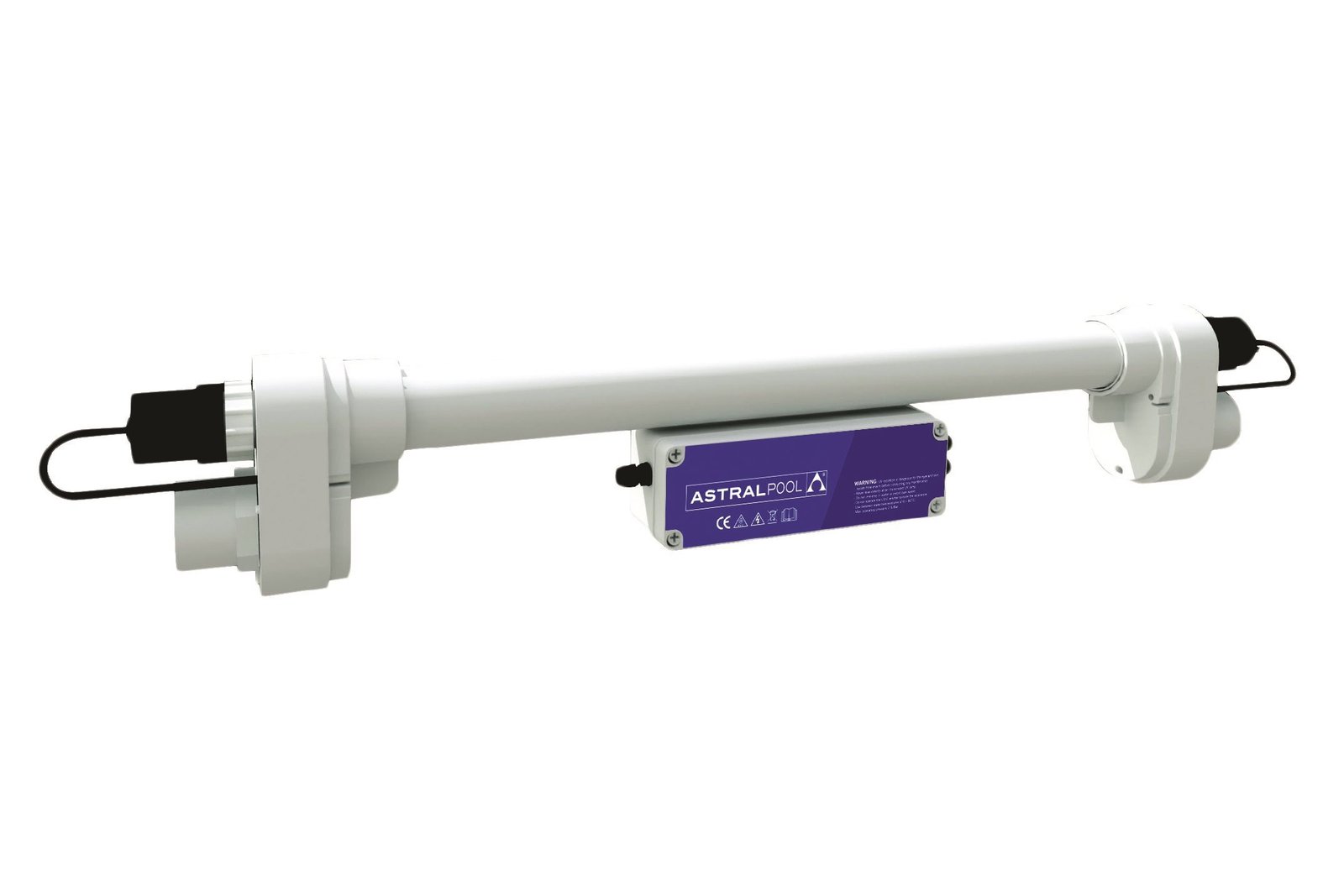
A pool UV unit exposes water passing through its chamber to ultraviolet light. Performance depends on the equipment design, water clarity, flow and lamp condition. It does not physically remove debris from the pool.
Keep the full treatment system working
UV treatment occurs inside the unit, so follow the manufacturer’s requirements for a sanitiser residual in the pool. Brushing, filtration and routine testing still matter. A UV light on a control panel does not prove the water is suitable for swimming.
Check sizing and flow
The unit must suit the intended water flow and application. Increasing pump speed beyond the rated arrangement can affect treatment. Ask the installer how the operating flow will be established and monitored.
Budget for maintenance
Lamps age and protective sleeves can become dirty or scaled. Follow the replacement and cleaning instructions for the exact unit. Isolate equipment before service and never look at an exposed UV lamp or defeat enclosure protections.
Evaluate it against a clear goal
Ask what improvement is expected, how it will be measured and what chemicals and maintenance remain necessary. Resolve existing algae, poor filtration or unstable water balance before assuming new equipment will fix them.
Ask how performance is checked
A lamp indicator confirms only what that particular control is designed to report. Ask whether the unit monitors lamp status, intensity, operating hours or another measure, and what each alarm means. Keep the answers with the model manual rather than assuming all UV systems provide the same monitoring.
Understand the maintenance access
Before installation, confirm that the lamp and sleeve can be serviced within the available space. Ask who performs the work, what isolation is required and how replacement parts are sourced. Follow the manufacturer’s lamp replacement interval even if a lamp still appears to illuminate.
Compare quotes on the complete arrangement
- Rated flow and intended pool application.
- Plumbing and electrical installation requirements.
- Monitoring, interlocks and commissioning.
- Lamp, sleeve and seal servicing costs.
- The ongoing sanitiser and water testing programme.
Keep a record of lamp changes, cleaning and faults. If the pool becomes cloudy or circulation changes, investigate that condition promptly. Increasing lamp power or pump speed without checking the design is not a substitute for finding the cause.
Read why circulation matters. Send the proposed model and current equipment details if you need help comparing the practical requirements.