Why Your Pool Smells Like Chlorine
A strong pool smell can come from chloramines. Learn what to test, what to record and how to reduce the contamination that causes recurring odour.
A strong swimming pool smell does not tell you how much usable chlorine is in the water. Chlorine can react with substances introduced by swimmers to form chloramines, which contribute to odour and irritation. Guessing from smell can lead to the wrong chemical adjustment.
Free chlorine and total chlorine are different
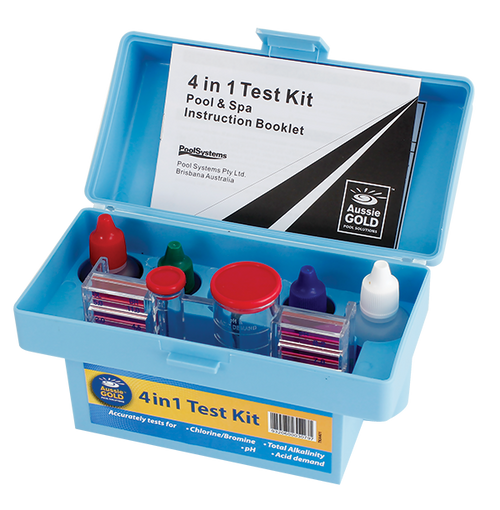
Free chlorine is the residual available for disinfection. Total chlorine includes free chlorine and combined forms. Where your kit measures both, the difference helps identify combined chlorine. Use the same sample method and the kit’s specified timing; a kit that only reports total chlorine cannot provide both results.
What to check first
- Measure free chlorine, total chlorine and pH using fresh, suitable reagents.
- Record recent swimming, rainfall, chemical additions and changes to the cover.
- Check water clarity, circulation, baskets and the filter’s condition.
- For an indoor pool, note whether the odour is worse around the water surface or in poorly ventilated areas.
Stop swimming if irritation occurs or the water is unsuitable. Persistent eye symptoms need medical advice; breathing difficulty warrants urgent medical assistance. Do not ask someone to swim again as a test of whether an adjustment worked.
Treat the measured problem
Removing debris, restoring filtration and reducing contamination are part of the solution. If an oxidising treatment is needed, the treatment plan must account for the actual results, pool volume and exact product. A universal number of scoops or a routine weekly shock is not a substitute for that assessment.
Keep products separate and follow all handling, circulation and swimming directions. Do not add fragrance, household detergent or a second product to hide the smell. If readings are beyond the kit’s range, obtain a suitable confirmation before dosing.
Prevent the smell returning
Encourage showers before swimming and regular toilet breaks. Clear leaves promptly and clean the waterline. Test around busy swimming periods, because a quiet morning result may not describe the water after an afternoon of use. Indoor air handling should be assessed by someone competent with that installation.
When the smell persists
Keep a short record of the readings and when the smell is strongest. Include the treatment names, dose times and whether the pool is covered or indoors. These details are more useful than repeatedly changing chlorinator output. See our eye irritation guide and chlorine demand guide for related checks.
Further reading: CDC, chloramines and irritation.