Understanding pH Balance in Pools
Understand pool pH, take a reliable test and adjust from the product label while considering alkalinity, the finish and equipment.
pH describes how acidic or alkaline the water is. It affects water balance and how chlorine performs, but it is only one part of pool care. Suitable pH does not prove that sanitiser, clarity or the rest of the balance is correct.
Use the right target for the pool
Check the finish, sanitiser and equipment requirements. Guidance often quotes a general residential range, but your builder or treatment system may specify a narrower operating target. New surfaces can need a dedicated startup programme. Keep those instructions with your test results.
Take a reliable reading
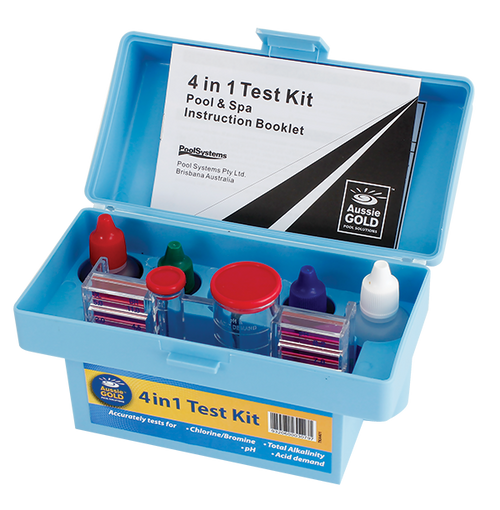
Use the correct sample volume, fresh reagents and the timing specified by the kit. Sample away from a return outlet or a recent chemical addition. Check colours in suitable light, without tinted glasses. Digital instruments also need cleaning and calibration where required.
If the result is unexpected, repeat it or obtain a second test before making a large adjustment. Very high sanitiser can interfere with some methods, so check the kit’s limits rather than assuming every colour is valid.
Look at alkalinity too
pH and total alkalinity interact. Record both, along with recent acid, buffer and water additions. A pool that repeatedly swings after treatment needs a review of the sequence and targets, not a bigger dose of each opposing product.
Plan one correction at a time
- Confirm pool volume and the required change.
- Choose a product intended for the pool and purpose.
- Follow its labelled quantity, application and circulation directions.
- Observe handling and swimming restrictions.
- Retest after mixing before deciding on another addition.
Never mix acid with chlorine or combine concentrated products. Products sold as pH increaser and alkalinity increaser can have different ingredients and effects, so check the label carefully.
Investigate a recurring drift
Keep a log of water results, chlorinator operation, aeration and water feature use. Note recent resurfacing or changes in refill water. This helps a technician distinguish a normal operating pattern from a dosing or testing problem.
When to ask for help
If readings are inconsistent, adjustments are frequent or the surface shows deposits or deterioration, send the complete water report and treatment history. Use our alkalinity guide alongside this one, or arrange water testing and pool care.
Further reading: SPASA, water balance.